


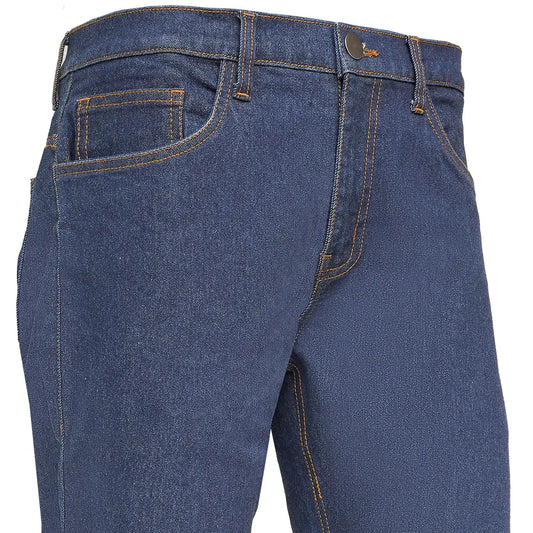


Motorcycle riding jeans look like regular denim — but the best ones are engineered to protect you when it counts. With so many options out there, how do you know which pair is right for you?
This guide covers everything you need to know: fit, lining materials, CE ratings, and armor placement — so you can ride in style without sacrificing protection.
1. Start with the Right Fit
A great riding jean fits like your favorite pair of jeans but is cut slightly differently to account for riding position. Key fit considerations:
- Seat & thigh room: You need freedom of movement when your knees are bent on the pegs. Too tight here and the armor won't sit correctly.
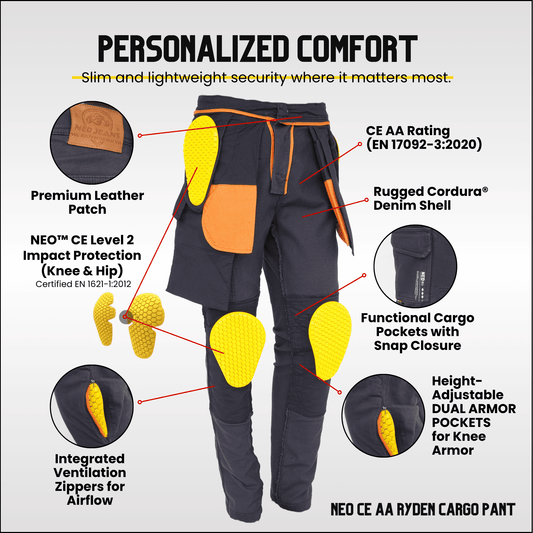
- Knee armor position: The armor pocket should align with your kneecap when seated. If the pocket rides too low or high, it won't protect you where it matters.
- Waist & rise: Riding crouches your torso forward, so look for jeans with a slightly higher back rise to prevent the jacket gap and keep your lower back covered.
- Ankle opening: Should be snug enough to prevent the jean from riding up in a slide.
2. Understand the Lining: Kevlar, Aramid & DuPont™
The lining is what separates riding jeans from regular denim. Here's a breakdown of the most common materials:
Kevlar®
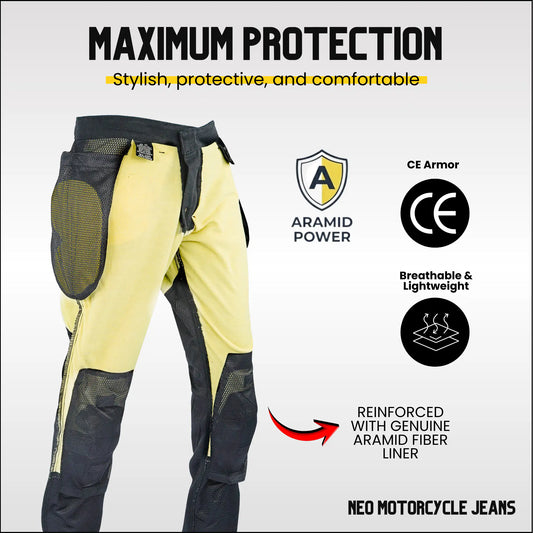
Kevlar is a brand name for a para-aramid synthetic fiber made by DuPont. It's extremely strong for its weight and is widely used in ballistic protection, cut-resistant gloves, and — yes — motorcycle gear. When woven into a riding jean lining, it dramatically slows down abrasion during a slide.
Aramid
Aramid is the generic term for the fiber family that Kevlar belongs to. You may see "aramid-lined" jeans that use equivalent para-aramid or meta-aramid fibers from other manufacturers. Performance is comparable to Kevlar when certified to the same CE standard.
How Much Lining Coverage Matters
Coverage varies between products:
- Partial lining: Covers only the highest-impact zones (knee, hip, seat). More breathable but less protection area.
- Full lining: Covers the entire leg interior. Maximum protection, slightly warmer.
For highway and sport riding, full or near-full lining is recommended. For urban commuting, partial lining offers a good balance of protection and comfort.
3. Check the CE Rating
CE certification under EN 17092 tells you exactly how much protection the whole garment offers — not just the armor inside. Look for:
- CE AA: Ideal for everyday riding and highway commuting.
- CE AAA: Maximum protection for higher speeds and sport riding.
Not sure about CE ratings? Read our full guide: CE Level AA vs AAA Armor: What Every Motorcycle Rider Needs to Know.
4. Armor: What's Included & What to Upgrade
Most quality riding jeans come with knee armor included and a hip armor pocket (armor sold separately or included depending on the brand). Always check:
- Is knee armor CE Level 1 or Level 2? Level 2 offers significantly better impact absorption.
- Does the hip pocket fit standard D3O or equivalent armor inserts?
5. Style vs. Protection: Do You Have to Choose?
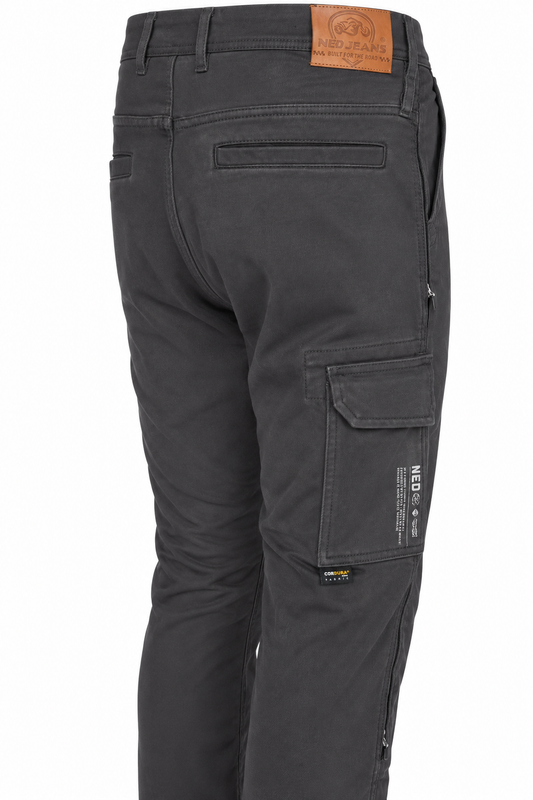
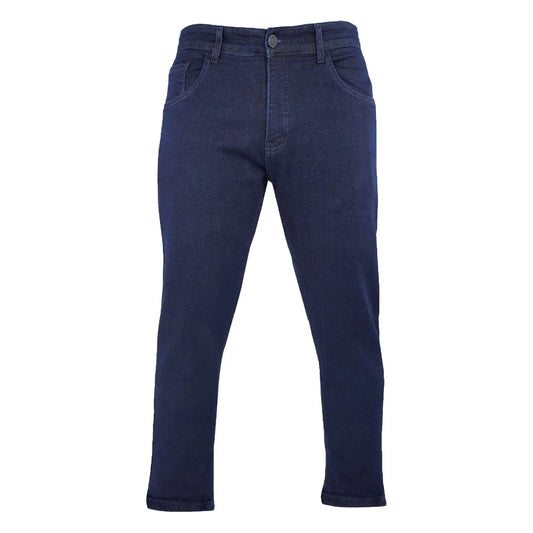
Not anymore. Modern riding jeans from brands like Neo Jeans are designed to look like premium streetwear while meeting serious CE standards. You don't have to choose between looking good and staying safe.
Shop Neo Jeans Riding Jeans
Browse our full range of CE-certified motorcycle riding jeans for men and women:
- Men's CE AA & AAA Riding Jeans & Cargo Pants
- Men's Motorcycle Jeans & Cargo Pants
- Women's Riding Jeans
Every pair is built to protect, built to last, and built to look great on and off the bike.

